How to store loose stones, tumbled lots and small rough
Updated
On this page6
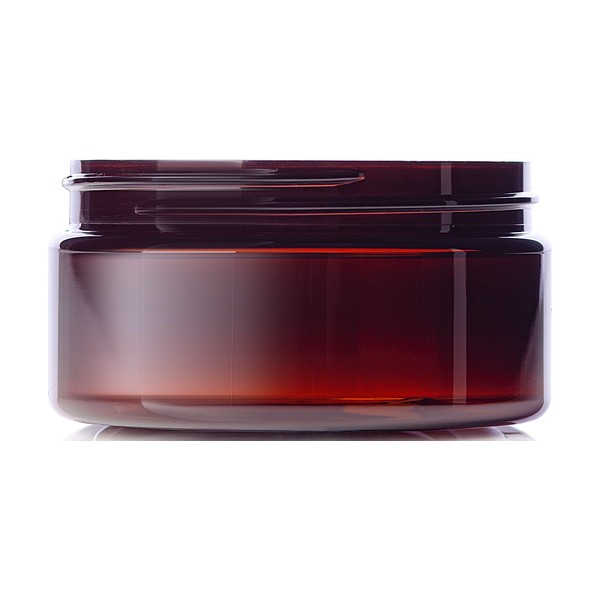
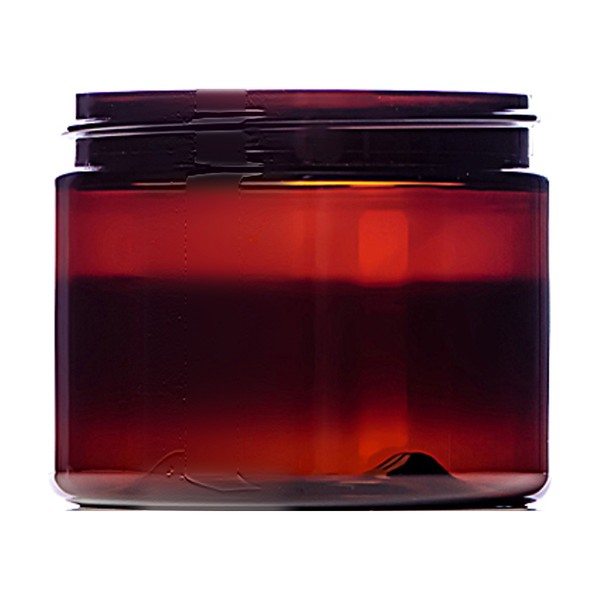
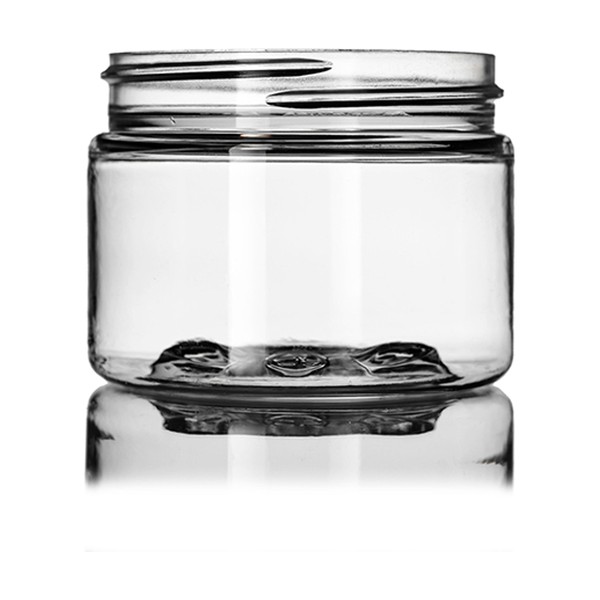
Store loose material in clear, closed containers sized to the lot, one lot per container, with a label inside that says what the stones are and where they came from. The container matters less than three rules: stones that can scratch each other are separated, the label stays in the container, and humidity-sensitive or hazardous material gets its own housing. Museum guidance lists polyethylene, polystyrene and polypropylene vials for very small specimens [1] and recommends transparent containers "so that the condition of samples can be monitored easily" [2]. This page matches containers to what you are storing, covers foam inserts, and explains how to label a jar of many stones.
Containers by what you are storing
| What you are storing | Container that suits the use | Padding or separation | Watch for |
|---|---|---|---|
| Tumbled stones of one kind, as stock | Clear jar or lidded tub, one lot per container | None needed for hard stones of the same hardness | Mixed hardness in one jar: harder stones scratch softer ones |
| Small rough for cutting or tumbling | Jar, bag or lidded tub | None for robust rough | Sharp edges chip each other; keep rough apart from polished stock |
| Cut and polished stones, cabochons | Small individual boxes, or folded paper packets (gem papers) | One stone per box or packet | Contact: stones in a shared jar rub and chip |
| Very small crystals or fragments | Labeled vial; NPS lists "polyethylene, polystyrene, or polypropylene vials" [1] | A plug of acid-free tissue to stop rattling [3] | Static can make tiny pieces cling to plastic; open over a tray |
| Sand and locality samples | Clear jar or vial with a tight lid | None | Spills; label the container, not just the lid |
| Humidity-sensitive material (sulfides, soluble or hydrated species) | Sealed container in a controlled box; see sealed storage | As above | A jar alone is not a humidity control |
| Radioactive specimens | NPS: "polyethylene bags with zip closures" [1], then the storage rules on radioactive minerals at home | Not a decor or stock item; keep separate and labeled | |
| Cinnabar and other mercury minerals | NPS: may need "a vapor barrier envelope to reduce mercury vapor emission" [1] | Keep away from children and food areas; see handling toxic minerals |
Glass or plastic
Both work for robust stones. Glass is inert and heavy and breaks if dropped; plastic is light and varies by resin. If you use plastic, know what it is: conservation sources rate polyethylene, polypropylene, polystyrene and PET differently, and say to keep PVC away from collections. The comparison, including what is and is not known about PET, is on which plastic is safe for specimens. Whatever the container, the lid and liner are often the weakest part.
Bags
Zip bags are convenient for field lots and rough, but they are not long-term housing for most specimens. NatSCA, the UK natural science collections association, says bags are often unnecessary, and that if you bag specimens you should punch holes in the bag so air can flow, except where a sealed bag is needed for a specific reason such as containing a hazard [3]. NPS gives one such reason: specimens that give off acid can be "wrapped in calcium carbonate buffered tissue paper inside ziplock bags" [1].
Foam inserts, and which ones last
Jars and boxes for small stones are often sold with a foam insert or a foam pad in the lid. Check what it is before trusting it for years.
- Polyurethane foam, the soft sponge kind, is the common culprit. The Canadian Conservation Institute says it can become brittle "after only a few months," turns yellowish brown, "could stain an object by contact and can emit corrosive acids" [4]. Remove it from anything you will store long term.
- Plain polyethylene foam, firm and closed-cell, with no color or additives, is what museum guidance uses as padding [1].
- Colored foam of any kind is a question mark; NPS advises using only foam "that has no coloring or other additives" [1].
How to tell the foams apart by look and feel is on cushioning, and what not to use.
Labeling a container of many stones
A jar of fifty tumbled stones needs one label that is true for all fifty.
- One lot per container. If the stones are one species from one locality, one label covers them.
- Put the label inside the container, written on acid-free paper. NPS: "Acid-free paper stock should be used to create labels with maximum longevity" [1]. A label on the lid alone is lost the first time the lid goes on the wrong jar.
- Label the outside too, for finding, with the lot number and species.
- Record the count and the date on the inside label and in your catalog or stock list. When you sell from the lot, update the count.
- Say what you know about origin and treatment. "Tumbled agate, Brazil, dyed" is a complete lot label. If you do not know whether material is dyed or treated, say "treatment unknown" rather than leaving it off; the common treatments in the decorative trade are on dyed, heated and coated stones.
- Mixed lots get the word "mixed". If a jar holds stones from several localities, either number and label each stone or label the jar "mixed localities" and never assign one locality to the lot.
The fields every label carries are on what a label has to carry. For stock, the source record that shows the lot is lawful belongs in your books as well; see keeping stock in sellable condition.
Dry storage for stones that change with humidity
Some small stones and fragments are sensitive to humidity in either direction. In short, from National Park Service guidance: above 60 percent RH pyrite decay can start and deliquescent minerals dissolve; below 35 percent some hydrated minerals crack as they lose water [1]. The bounds, and the species that set your range, are on humidity, high and low. A museum manual on geological collections suggests silica gel or zeolite microenvironments, or sealing in "glass ampoules or tubes," for especially sensitive specimens [2].
For a home collection that means:
- Keep sulfide fragments and pyrite lots in a sealed box with conditioned silica gel, monitored with a hygrometer; the method is on setting up a sealed low-humidity box.
- Keep hydrated material away from heaters and very dry rooms; see dehydration and clouding.
- Do not put unconditioned desiccant in with hydrated species. Drier is not always better, and the right range depends on the species; see humidity, high and low.
Building a dry box for the sensitive lots
A jar keeps a lot together; it does not control humidity. For sulfide fragments and other lots that need a set humidity, the container, the conditioned gel and the hygrometer check are on setting up a sealed low-humidity box.
References
- National Park Service, Kathy Hall, *Storage Concerns for Geological Collections*, Conserve O Gram 11/2, April 1998. https://www.nps.gov/subjects/museums/upload/11-02_508.pdf
- Western Australian Museum, *Geological Collections*, online museum manual (manual.museum.wa.gov.au), undated, read October 22, 2026. https://manual.museum.wa.gov.au/book/export/html/52/index.html
- Emma Nicholls, Horniman Museum and Gardens, *Care and Use of Geological Collections*, Natural Sciences Collections Association (NatSCA), undated. https://www.natsca.org/sites/default/files/Care%20and%20Use%20of%20Geological%20Collections-%20NatSCA.pdf
- Canadian Conservation Institute, Jean Tétreault, *Products Used in Preventive Conservation*, Technical Bulletin 32, issued February 7, 2018, modified February 19, 2021. https://www.canada.ca/en/conservation-institute/services/conservation-preservation-publications/technical-bulletins/products-used-preventive-conservation.html