How do I keep a few specimens at a set humidity?
Updated
On this page10
Put the specimens in an airtight container with a measured amount of silica gel that has been conditioned (dried or moistened) to the humidity you want, add a hygrometer you have checked against a salt solution, and recheck it on a schedule. The container's seal matters more than the amount of gel: the Canadian Conservation Institute says that in a leaky case adding silica gel "will make little difference." This page walks through choosing the container, conditioning the gel by the methods conservation sources give, checking the hygrometer, and keeping the box working, with notes on sulfides, iron meteorites and hydrated minerals.
Decide the humidity first
A sealed box is for specimens whose needs fall outside what the room can give. The bounds for the collection as a whole (35 to 60 percent RH, from NPS guidance) live on humidity, high and low. Typical uses:
| Specimens | Box set to | Source for the need |
|---|---|---|
| Pyrite and marcasite with active decay | As dry as you can get it, or oxygen-free | NPS: isolate in a very dry environment once decay starts [1]; Project Airless: hydrates can form at RH "as low as 30%" once oxidation has begun [2] |
| Iron meteorites and native metals | Dry | NPS: "Metallic specimens may corrode at high RH," particularly in meteorite collections [1]; CCI gives a dry room of 0 to 30 percent for special metal collections, with RH kept below a critical value, "typically 30% RH" [3] |
| Deliquescent species (halite, carnallite and others) | Dry, below the species' critical RH | Halite deliquesces at 75 percent RH [3] |
| Hydrated species (laumontite, chalcanthite, borax) | Not too dry; above 35 percent | NPS: below 35 percent some minerals crack as they lose water [1] |
Never put a decaying sulfide in the same box as a hydrated mineral. They need opposite conditions.
Step 1: Choose an airtight container
CCI is blunt about the priority: case air-tightness determines how well silica gel works, a leaky case gains little from more gel, and fixing the leak is cheaper [3]. For a few specimens:
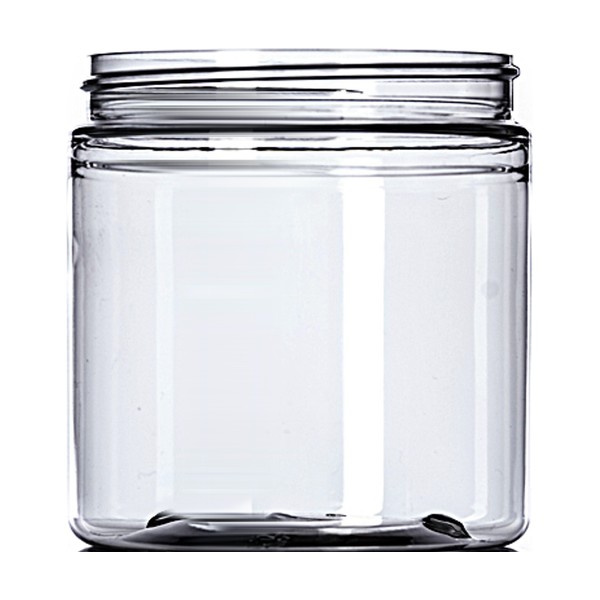
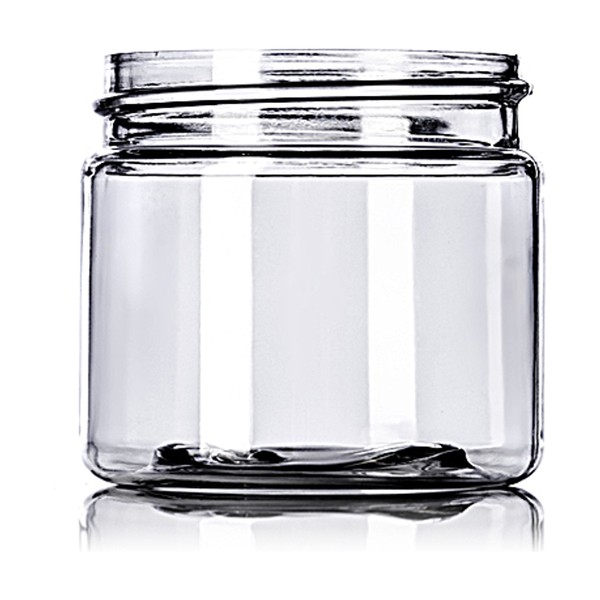
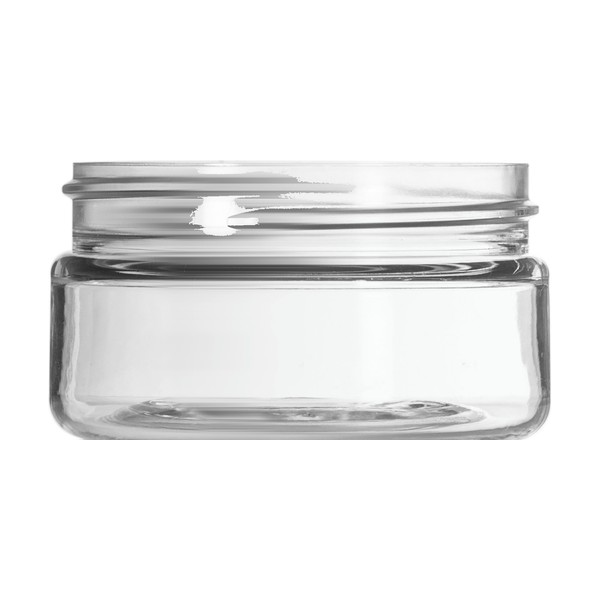
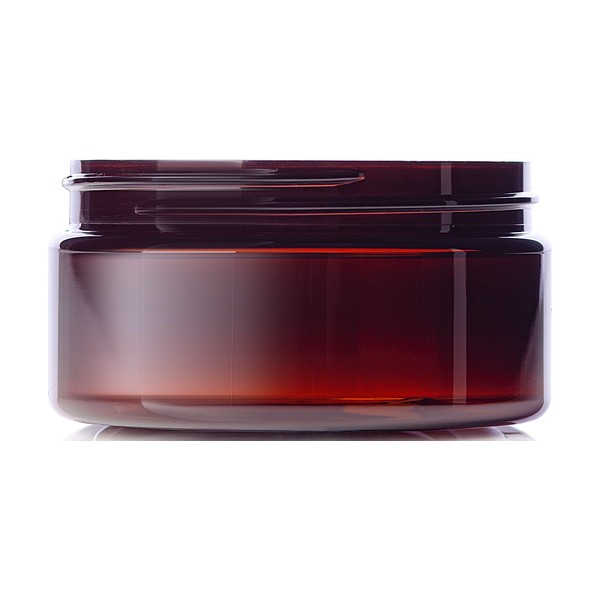
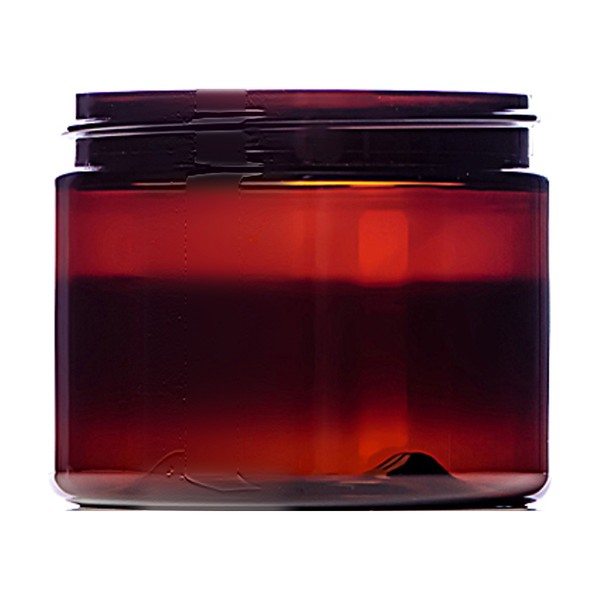
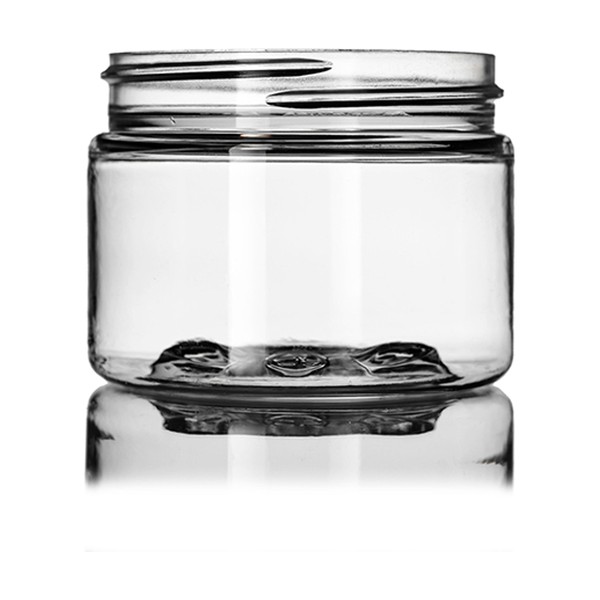
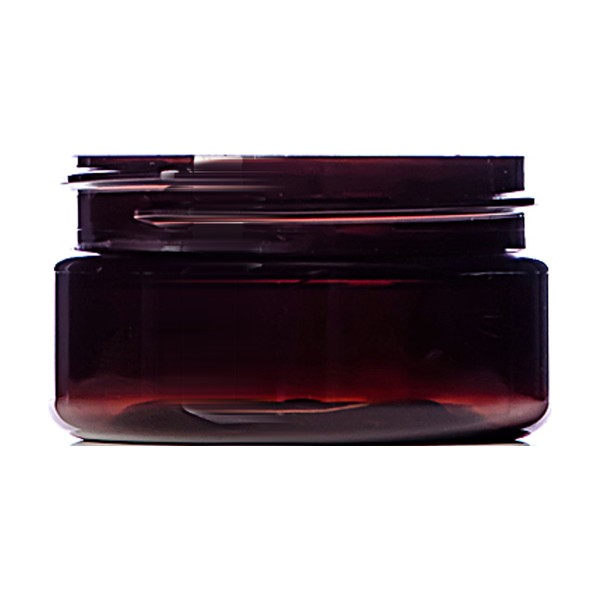
- Glass jars with gasketed lids, or plastic food-storage boxes with a gasket seal, sized so the specimens, the gel and the hygrometer fit with room for air to move.
- Heat-sealed barrier film bags for oxygen-free storage (below).
- Polyethylene bags, glass jars or vials, or heat-sealed Mylar envelopes are the small enclosures NPS names for isolating specimens [4].
Test the seal before you trust it: set up the box with dry gel and a hygrometer, and if the reading climbs back toward room humidity within days, the seal is leaking. Which plastics conservation sources consider stable for long contact is on which plastic is safe for specimens.
Step 2: Work out how much gel
No conservation source gives a fixed rate in grams per liter for a small box. The Canadian Conservation Institute's Technical Bulletin 33 (Tétreault and Bégin, issued 2018, revised 2023) calls the older fixed amounts per volume "rather rigid" and replaces them with an equation in which the box's airtightness, the gap between room and box humidity, how tightly the box must hold and the time between recharges matter as much as its volume [7]. The bulletin's worked examples are display cases of about one cubic meter, and it gives no figures for small household containers [7]. Three of its points carry over directly:
- Airtightness is the biggest lever. In the bulletin's examples, a case three times more airtight needed about two thirds less gel [7].
- Add a margin. "As a safety factor, adding an extra amount of sorbent (such as 30%) is suggested" [7].
- Match the sorbent to the job. For a dry box (20 to 30 percent RH), ordinary clear silica gel took up more water per percent of RH change than any of the buffered conservation products CCI measured [7].
CCI's general humidity page also gives a simple design point for display cases: silica gel equal to about one tenth of the case height [3]. For a small box, start with a layer of conditioned gel, add the margin, and let the hygrometer readings tell you whether it holds. The bulletin's sorbent table and how its factors trade off are on silica gel and humidity.
Keep gel layers under half an inch deep and rotate the gel now and then, as the Conservation Wiki advises [5].
Step 3: Condition the gel
"Dry" silica gel straight from the packet usually contains a small amount of water; a few manufacturers sell gel preconditioned to a stated humidity [5]. If you want a specific RH, buy preconditioned gel or condition your own. The Conservation Wiki (an American Institute for Conservation resource, edited September 2025) lists these methods, citing CCI Technical Bulletin No. 10 (LaFontaine, 1984) [5]:
| Method | Moves RH | What the source says |
|---|---|---|
| Oven | Down only | Spread gel "½" deep in a shallow, heat-resistant pan at 185°F for four hours," with lower heat for bags and cassettes [5] |
| Microwave | Down only | High for two minutes, cool about one minute, repeat 10 times or until dry [5] |
| Gradual exposure to new gel | Up or down | Add conditioned or dry gel equal to 15 to 20 percent of the amount in the case, daily, until the target is reached [5] |
| Room or chamber exposure | Up or down | Leave gel exposed to air at the target RH; a fan speeds it up [5] |
| Water vapor | Up only | A container of distilled water or wet sponges with the gel in a closed chamber [5] |
| Saturated salt solution | Up only | In a separate chamber; never inside a case with specimens [5][6] |
For a dry box (sulfides, meteorites), oven-dried gel is all you need. For a box held at a middle humidity (hydrated species), condition the gel to the target in a closed chamber and check it before it goes in with the specimens.
Saturated salt solutions, if you use them for conditioning, follow the Conservation Wiki's rules: "Use only chemically pure salts and distilled water"; make a slush with excess undissolved crystals; let it cool fully, because dissolving releases heat; and keep it out of exhibit cases because of spill and pollutant risks [6]. The RH each salt holds, from the table it reproduces (Hygrodynamics Technical Bulletin No. 5) [6]:
| Saturated salt | RH at 68°F | RH at 77°F |
|---|---|---|
| Magnesium chloride | 33.6% | 33.2% |
| Potassium carbonate | 44.0% | 43.8% |
| Magnesium nitrate | 54.9% | 53.4% |
| Sodium chloride (table salt) | 75.5% | 75.8% |
The same page warns that a 2°F difference can cause an RH error of about 5 percent [6], so condition and check at a steady room temperature.
Step 4: Check the hygrometer with salt
CCI says cheap hardware-store hygrometers are unreliable [3], and Technical Bulletin 33 warns that hygrometers can drift by about 5 percent RH [7], so check yours before it guards anything, and again at each condition check.
- Make a damp slurry of pure sodium chloride (non-iodized salt) and distilled water in a small dish, as above [6].
- Put the dish and the hygrometer in a small airtight container, with the hygrometer not touching the salt.
- Leave it at a steady room temperature until the reading stops changing.
- It should read close to 75 percent (75.5 percent at 68°F) [6]. Write the difference on a label on the hygrometer and correct every reading by it.
- For a dry box, a second check with magnesium chloride (about 33 percent) [6] tells you how the instrument behaves at the low end.
If the error is large or changes between checks, replace the instrument.
Step 5: Load, seal and confirm
- Put the gel in the bottom, under a perforated tray or in a breathable pouch, so it never touches a specimen.
- Add the specimens in their own boxes, each with its label, and the hygrometer where you can read it without opening the lid.
- Seal it. The Conservation Wiki's habit for gel applies to the box too: recheck the next day, and adjust if needed [5].
- Record the setup in the catalog: date, gel type, how it was conditioned, starting reading.
Step 6: Check and recharge
- Read the hygrometer at least monthly at first, then at every condition check once you know how fast the box drifts.
- Recharge or replace the gel when the reading drifts toward the limit you set. Dry gel can be re-dried in the oven as above [5].
- Check the gel itself if you doubt the hygrometer: the Conservation Wiki suggests sealing half a cup of gel in a small jar or zip-lock bag with a calibrated hygrometer and reading it after one to two hours [5].
Oxygen-free storage for decaying sulfides
For pyrite that keeps decaying even when dry, museums remove the oxygen. The Natural History Museum in London places each specimen on an acid-free tray in a foam inlay, "heat-sealed in a NeoEscal barrier film bag with oxygen scavenging sachets," creating "an anoxic microenvironment" [2]. The barrier film and scavengers are conservation supplies with their own instructions; follow the maker's guidance on the size of scavenger for the bag volume, and expect the bag to need replacing if it loses its seal. For valuable pieces, ask a natural history conservator to set it up.
What the box cannot fix
A sealed box slows or stops decay; it does not repair what has happened. Active pyrite decay needs the steps on pyrite decay, and a hydrated mineral that has already turned chalky stays chalky, which dehydration and clouding explains.
References
- National Park Service, Kathy Hall, *Storage Concerns for Geological Collections*, Conserve O Gram 11/2, April 1998. https://www.nps.gov/subjects/museums/upload/11-02_508.pdf
- Kieran Miles, Matthew Porter and Amy Trafford, Natural History Museum, London, *Project Airless*, NatSCA blog, March 18, 2016. https://natsca.blog/2016/03/18/project-airless/
- Canadian Conservation Institute, *Agent of Deterioration: Incorrect Relative Humidity*, page dated February 5, 2021, read October 22, 2026. https://www.canada.ca/en/conservation-institute/services/agents-deterioration/humidity.html
- National Park Service, Sally Y. Shelton, *Byne's "Disease": How To Recognize, Handle and Store Affected Shells and Related Collections*, Conserve O Gram 11/15, August 2008. https://nps.gov/subjects/museums/upload/11-15_508.pdf
- Conservation Wiki (American Institute for Conservation), *Conditioning Silica Gel*, last edited September 17, 2025, citing R. H. LaFontaine, *Silica Gel*, CCI Technical Bulletin No. 10, 1984. https://conservation-wiki.com/wiki/Conditioning_Silica_Gel
- Conservation Wiki (American Institute for Conservation), *Conditioning Silica Gel with a Saturated Salt Solution*, last edited June 2, 2023, reproducing Hygrodynamics, Inc., Technical Bulletin No. 5. https://conservation-wiki.com/wiki/Conditioning_Silica_Gel_with_a_Saturated_Salt_Solution
- Canadian Conservation Institute, Jean Tétreault and Paul Bégin, *Silica Gel: Passive Control of Relative Humidity*, Technical Bulletin 33, issued August 10, 2018, revised 2023, page modified February 22, 2024. https://www.canada.ca/en/conservation-institute/services/conservation-preservation-publications/technical-bulletins/silica-gel-relative-humidity.html