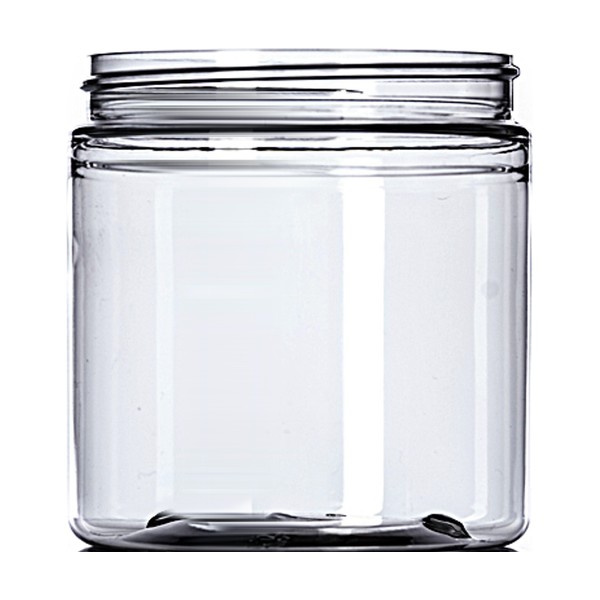
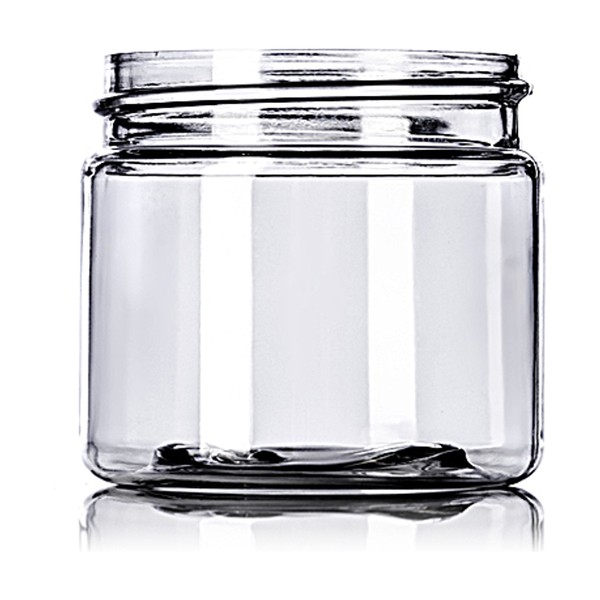
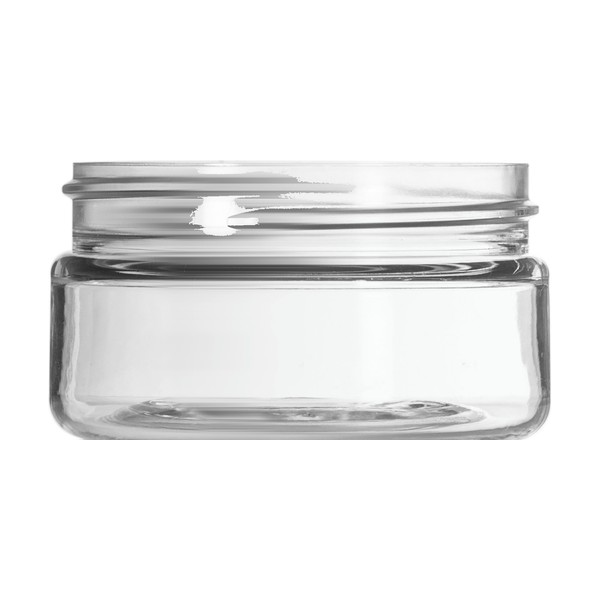
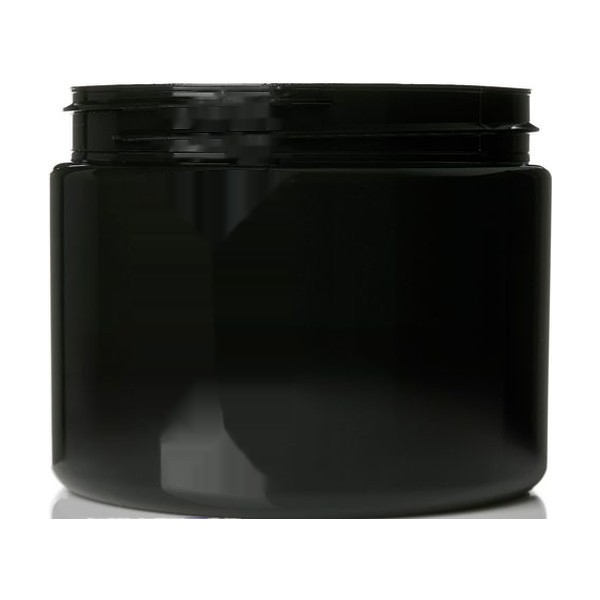
Which plastic boxes are safe for long storage of specimens?
Updated
On this page9
No plastic is guaranteed for every specimen, but conservation sources agree on the broad lines. Polyethylene, polypropylene and polystyrene are used for specimen vials and boxes in museum guidance [1]. Polyester, which includes PET, is rated by the Canadian Conservation Institute (CCI) as having low sensitivity to oxidation at room temperature [2], and conservators use PET sheet and bags in storage [2][3]. Keep PVC and polyurethane foam away from specimens: both are named by conservation sources as materials that degrade and can give off acids [3][4]. This page compares the resins, says what is and is not known about PET, and covers the lids, liners and seals that matter as much as the box.
How conservation sources rate the common plastics
The table summarizes what four conservation sources say. Where a source is silent on a point, that silence says nothing about whether the material is safe.
| Plastic | Where collectors meet it | What conservation sources say |
|---|---|---|
| Polyethylene (PE) | Vials, bags, bins, foam, lids | "Chemically inert and very stable" (CCAHA) [3]. CCI adds that PE "has poor resistance to thermal oxidation and photooxidation, but has excellent resistance to hydrolysis" [2], that PE containers "may turn slightly yellow with time," that "High-density polyethylene should have a longer working life than low-density polyethylene," and that some PE sheeting can "become brittle after only five years" [4]. NPS lists PE vials for very small specimens [1] |
| Polypropylene (PP) | Vials, boxes, corrugated board | "Polypropylene boxes are useful especially when storage areas are at high risk of floods or water leaks" (CCAHA) [3]. CCI groups PE and PP together as highly sensitive to thermal oxidation at room temperature [2], yet says PP panels "may have a longer lifetime than those made only of polyethylene" [4]. NPS lists PP vials [1] |
| Polystyrene (PS) | Clear and black hinged specimen boxes, perky boxes, foam | NPS lists PS vials for very small specimens [1]. CCI rates PS as medium sensitivity to thermal oxidation [2]. CCAHA prefers polyethylene foam over polystyrene foam because PE "does not yellow as it ages" [3] |
| Polyester, including PET | Clear boxes, jars, film sleeves, label folders | CCI rates PET as low sensitivity to thermal oxidation at room temperature [2] and names PET among "the most commonly used materials for small clear plastic boxes" [4]. CCAHA: polyester "Can be used for storage" [3]. NPS: labels "can be protected in polyester folders made for negative storage" [1] |
| Acrylic (PMMA) | Display cases, covers, bases | CCI: cell cast acrylic "is recommended for framing and display cases because of its superior optical clarity" [4] |
| Polycarbonate (PC) | Case glazing, heavy-duty boxes | CCI: "polycarbonate resists shattering, which gives it a security advantage" [4]; rated low sensitivity to thermal oxidation [2] |
| Polyvinyl chloride (PVC) | Some flexible boxes, sleeves, sheet, bags | CCAHA: "Avoid using PVC (polyvinyl chloride) plastic because as it deteriorates, and it gives off hydrochloric acid" [3]. CCI: rigid PVC foam boards "are not recommended for use in contact with objects" [4] |
| Polyurethane (PUR) foam | Padding in shipping boxes, cheap inserts, gaskets | CCAHA: "Do not use polyurethane foams as they become acidic and crumble overtime" [3]. CCI: it can turn yellowish brown, stain objects and "emit corrosive acids" [4]. Details on cushioning |
Read the table as a relative ranking. CCI's ratings describe how fast each plastic degrades by oxidation, which depends on heat and light. A polyethylene box in a dark, cool drawer will outlast the same box on a sunny windowsill by a wide margin.
PET: what the sources say, and what they do not
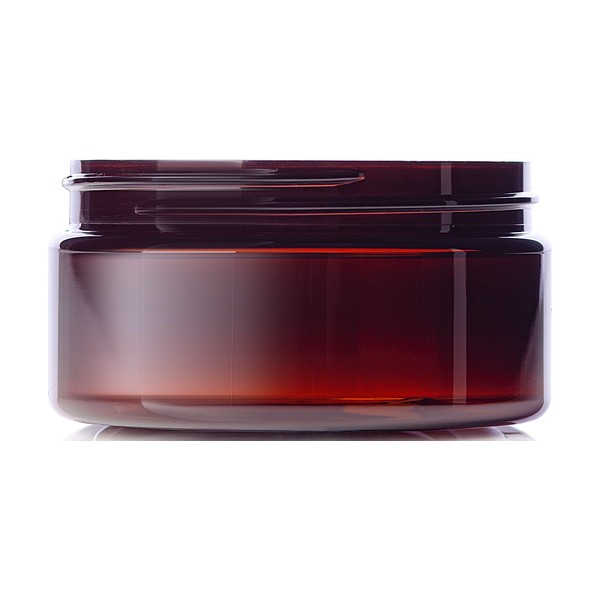
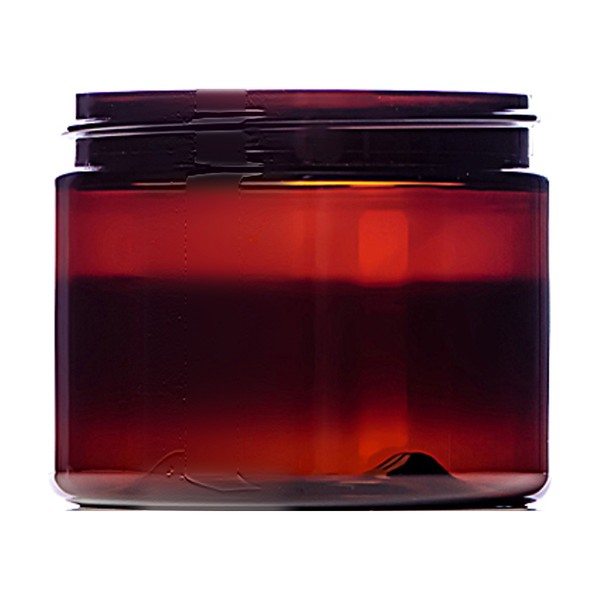
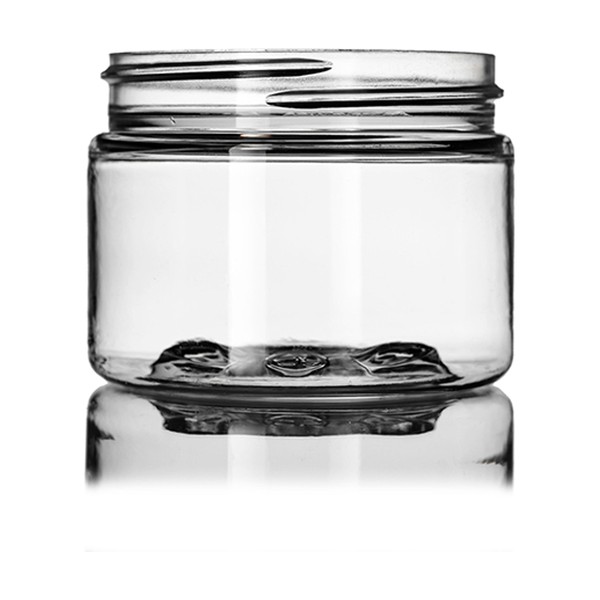
PET (polyethylene terephthalate) is the plastic of many clear jars and boxes sold for small items, so it deserves a direct answer.
What the conservation sources cited here support:
- CCI places PET in its group with low sensitivity to thermal oxidation at room temperature, alongside polycarbonate and acrylic [2].
- CCI uses PET in its own recommendations: as a barrier sheet between a degrading plastic and other materials, as lining after a degrading plastic is removed, and as double PET bags around objects in cold or sorbent storage [2].
- CCI names PET among the most common materials for small clear plastic boxes [4].
- CCAHA says polyester can be used for storage [3], and the National Park Service recommends polyester folders for protecting labels [1].
What none of those sources says:
- None tests PET jars or bottles with mineral specimens, or says a PET container is safe, archival or suitable for any particular species.
- Most of the conservation use of polyester is film and sheet. A jar is a different object: it has a closure, often a liner, sometimes a colorant or coating, each of which is a separate material with its own behavior.
- PETG, a glycol-modified copolyester sold as sheet, is a related but different material; CCI mentions it only as "especially useful for lightweight applications" [4].
So the honest summary is that the base polymer has a good record in conservation literature, and none of these sources says a PET container is a problem for minerals. None says it is guaranteed either. Judge a PET container by its weakest part, which is usually the lid and liner, and by the conditions inside it (see the section on sealed boxes below).
PVC and polyurethane: the two to keep out
Both appear in every source as the plastics to avoid near collections.
PVC gives off hydrochloric acid as it degrades [3]. CCI explains its advice on PVC foam board as a way to "minimize the impact of the possible release of low levels of hydrochloric acid during the slow degradation of the PVC" [4]. Flexible PVC also carries plasticizers that can migrate; CCI reports that oily exudates from some PVC objects can swell polyethylene in contact with them [2]. Soft, slightly sticky clear sleeves and boxes are the usual suspects. If you cannot confirm that a flexible clear plastic is something else, keep it away from specimens and labels.
Polyurethane foam fails within months to years, yellows, crumbles and can emit acids [3][4]. It is the soft sponge foam in many shipping boxes and some inexpensive jar inserts.
The parts that are not the box
Many problems come from the small components rather than the box.
| Component | What to know | Source |
|---|---|---|
| Gaskets and seals | A polyurethane gasket has "a limited lifespan" of about 10 to 20 years | CCI [4] |
| Silicone sealant | Acetoxy-cure silicone sealants, the common household type, release acetic acid, which attacks calcite and other carbonates | CCI [4]; acid damage explained on efflorescence |
| Adhesives in homemade boxes or cases | Should "off-gas or dry out (cure or set) for three to four weeks" before use | CCI [4] |
| Adhesive or tape on the specimen | "Applying adhesives or tapes directly to objects is unsafe and not recommended" | CCI [4] |
| Colored or printed plastic | NPS advises using only foam "that has no coloring or other additives"; the same caution is reasonable for any colored insert | COG 11/2 [1] |
| Recycled-content plastic | Recycled foam "may contain polyethylene that is already degraded" | CCI [4] |
Sealed boxes concentrate whatever the materials give off
A closed box protects a specimen from dust, pests and handling, and CCI says "tightly fitted enclosures are an excellent preventive conservation strategy on many fronts" [4]. The same tightness traps any vapor the box, padding or label gives off. CCI's warning is direct: "the most dangerous scenario is when a vulnerable object is placed in a well-sealed enclosure" with a large surface of emissive material [4]. The National Park Service makes the parallel point for cabinets: when gases from wood, coatings, adhesives and sealants build up in a sealed cabinet, "these gases cannot escape" [5].
Two consequences for choosing boxes:
- The more vulnerable the specimen, the more the box material matters. Calcite, shells and other carbonates react to acid vapors; sulfides react to humidity. A stable quartz cluster tolerates far more. Which species are at risk is on acid vapors.
- Do not seal a box that holds a degrading material. CCI says emissive plastics "should not be encapsulated or sealed" because that speeds their decay [2]. If a box or insert smells, yellows or turns sticky, replace it rather than closing it more tightly.
Building a deliberately sealed box at a set humidity is a separate job, covered on setting up a sealed low-humidity box.
The Oddy test: how museums screen materials
When a museum is unsure about a material, it tests it. The standard screening method is the Oddy test, which the American Institute for Conservation describes as "a low-cost, non-specific accelerated aging test used to detect potentially hazardous gases" [6]. It was developed by Andrew Oddy, a conservation scientist at the British Museum, in the early 1970s [6].
In the test, a sample of the material is sealed in a container with three metal coupons (silver, copper and lead), held at "60 degrees Celsius for 28 days" at a high relative humidity of about 95 to 100 percent, and the coupons are then inspected for corrosion [6]. Silver reacts to sulfur compounds, lead to organic acids and aldehydes, and copper to chlorides, oxides and sulfur compounds [6]. The AIC notes that the results are subjective [6], and its shared database of results warns that they are not peer reviewed and that products may be reformulated after testing [7].
For a collector the test is mostly useful as a question to ask. CCAHA says "Safe tested materials (Oddy test) must be used for mounts, such as coatings and paints" [3]. A supplier of conservation materials may have Oddy results for a box, foam or adhesive; a general packaging supplier usually will not.
What to ask before buying boxes or jars in quantity
- What is the resin, by name? "Plastic" or "clear plastic" is not an answer. Ask whether the box is polystyrene, polypropylene, polyethylene or PET.
- What are the lid and liner made of? Ask separately for each part.
- Is it colored, coated or printed, and with what?
- Does it contain recycled content? [4]
- Has it been Oddy tested, and if so by whom and when? [3][6]
- Is the formulation stable? A material tested years ago may have been reformulated [7].
Then test the answer against your own conditions. Keep boxes dark and cool, look at them at your annual check, and replace anything that yellows, cracks, turns sticky or smells.
Padding and the rest of the box
The plastic is one half of the box; what goes inside it is the other. Which padding lasts, and which crumbles, is on cushioning, and what not to use. Jars and vials for loose stones and small lots are covered by use on gem jars and small lots.
References
- National Park Service, Kathy Hall, *Storage Concerns for Geological Collections*, Conserve O Gram 11/2, April 1998. https://www.nps.gov/subjects/museums/upload/11-02_508.pdf
- Canadian Conservation Institute, *Caring for plastics and rubbers*, Preventive conservation guidelines for collections, modified July 16, 2020. https://www.canada.ca/en/conservation-institute/services/preventive-conservation/guidelines-collections/caring-plastics-rubbers.htm
- Conservation Center for Art and Historic Artifacts (CCAHA), *Selecting Materials for Storage and Display*, undated. https://sustainableheritagenetwork.org/system/files/atoms/file/Selecting%20Materials%20for%20Storage%20and%20Display_CCAHA.pdf
- Canadian Conservation Institute, Jean Tétreault, *Products Used in Preventive Conservation*, Technical Bulletin 32, issued February 7, 2018, modified February 19, 2021. https://www.canada.ca/en/conservation-institute/services/conservation-preservation-publications/technical-bulletins/products-used-preventive-conservation.html
- National Park Service, Greg McDonald, *Health and Safety Issues with Geological Specimens*, Conserve O Gram 11/11, September 2006. https://www.nps.gov/subjects/museums/upload/11-11_508.pdf
- American Institute for Conservation, Conservation Wiki, *Oddy Test*, page edited October 22, 2026. https://www.conservation-wiki.com/wiki/Oddy_Test
- American Institute for Conservation, Conservation Wiki, *Materials Testing Results*, modified January 16, 2025. https://conservation-wiki.com/wiki/Materials_Testing_Results