Selling jam as a Maryland cottage food business
Updated
On this page8
Yes, if your jam is a high-acid fruit jam, jelly or preserve. Maryland's cottage food law allows them, along with fruit butters, without a license, but only from listed fruits or a fruit mix that finishes at pH 4.6 or below [1] [2]. That fruit rule is the condition to check first, because it rules out some butters, pumpkin and pear among them [2]. Since October 1, 2026, a cottage food business may earn up to $100,000 a year [3]. Maryland also lets cottage jam go to grocery stores and co-ops once you complete food safety training and apply to the Maryland Department of Health [2].
Fruits Maryland allows
| Product | Allowed fruits | Source |
|---|---|---|
| Jams, jellies and preserves | University of Maryland Extension lists oranges, nectarines, tangerines, blackberries, raspberries, blueberries, boysenberries, cherries, cranberries, strawberries and red currants, plus fruit mixtures that produce a product at pH 4.6 or below. The state's own summary gives apples, apricots, blackberries, peaches and strawberries as examples of fruits with a natural pH of 4.6 or less | [1] [2] |
| Fruit butters | Apples, apricots, grapes, peaches, plums, prunes and quince, or another fruit producing an acid canned product at pH 4.6 or below | [1] |
| Pumpkin, banana or pear butter | Not cottage food; needs an MDH processing license, a commercial kitchen and refrigeration | [2] |
The two lists do not match each other exactly, so if your fruit is on only one of them, or on neither, ask MDH before you sell it. Fruits that sit near the pH line are covered on fruits that need extra acid, and making butters is on fruit butter.
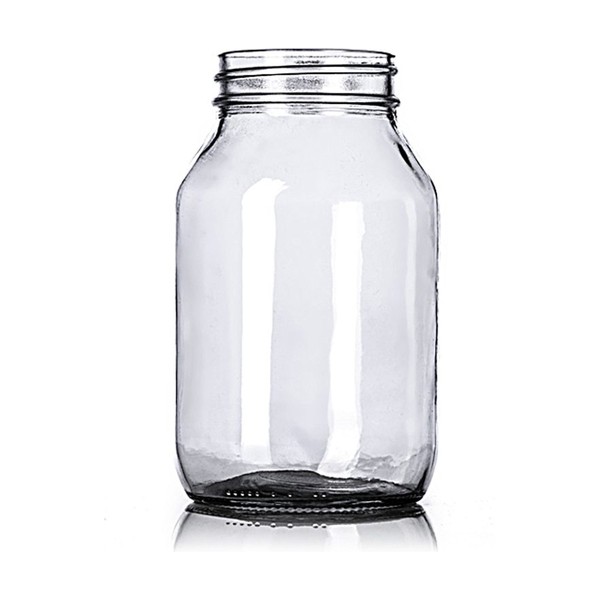
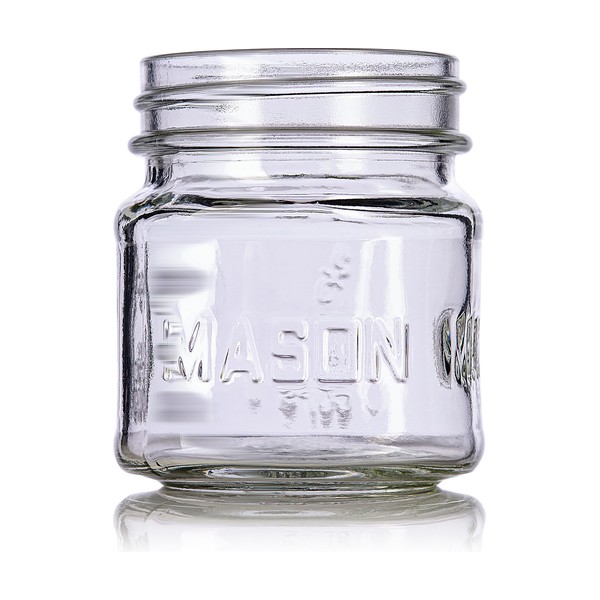
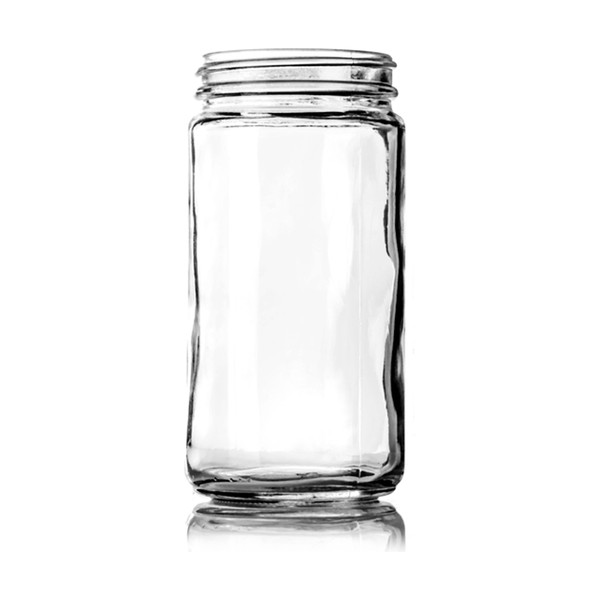
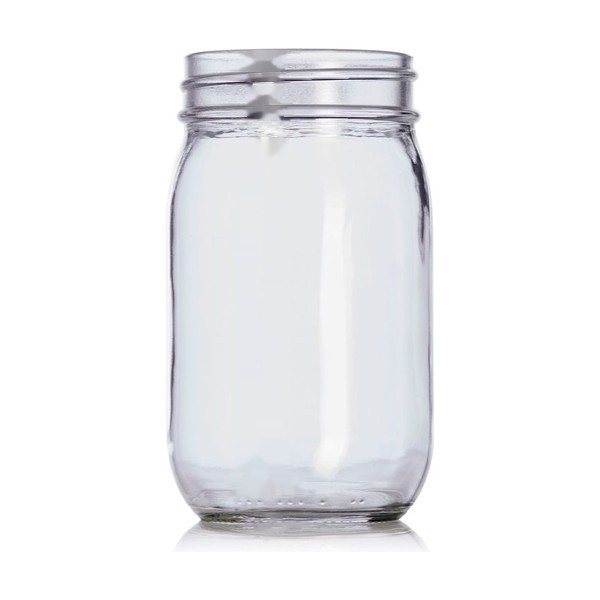
The state's summary also describes cottage jam as hot filled into sterile Mason jars with 1/4 inch headspace, and it bans paraffin wax seals [2]. Follow a tested recipe's processing directions as well; processing times has them.
Pepper jelly, low-sugar jam and freezer jam
None is addressed in the published cottage food materials [1] [2]. Maryland's cottage list is short and specific: high-acid fruit jams, jellies and preserves, fruit butters, non-potentially hazardous baked goods, hard candy and honey [1]. Pepper jelly is made from low-acid peppers and is not a fruit jam on that list, and freezer jam needs freezing, which puts it outside a law written for non-potentially hazardous foods [2]. Treat both as outside cottage food unless MDH tells you otherwise. For low-sugar jam from an allowed fruit, ask MDH.
The revenue limit, now $100,000
HB 535, approved April 28, 2026 as Chapter 320, raised the cottage food revenue limit from $50,000 to $100,000, effective October 1, 2026 [3]. University of Maryland Extension's page, updated November 24, 2025, still says $25,000 [1]; the state's own 2023 summary gave $50,000 [2], and the Legislature's record confirms the new figure [3]. Sales must stay within Maryland [2].
Where cottage jam can be sold
- Direct: from your home, at farmers markets and public events, by personal delivery or by mail delivery [1] [2], and online [1].
- To stores: a retail food store, including a grocery store or food cooperative [2]. For store sales, additional requirements apply, including food safety training, and you submit an application to MDH [2]. Buyer expectations are on selling jam to shops and cafes.
- Not across state lines: interstate sales are not allowed [2].
No license is required for direct sales [2].
What a Maryland jar must say
- The statement "Made by a cottage food business that is not subject to Maryland's food safety regulations." in at least 10 point type, with clear contrast [1].
- Your business name and address. A P.O. box is not allowed [1].
- The product name.
- Ingredients in descending order by weight, with compound ingredients broken down [1].
- Net quantity in both U.S. customary and metric units, in the bottom 30 percent of the label [1].
- Major allergens, in a "Contains" statement or in the ingredient list [1].
- Nutrition Facts only if you make a nutrient content or health claim [1].
The rest of the federal baseline is on federal labeling for jam.
Farmers and bigger sellers: two licenses
On-Farm Home Processing License. For farmers with sales under $40,000 a year, $30 a year from MDH [2]. It covers jam and jelly sold other than as cottage food, including to restaurants and other retailers, and requires potable water, an approved sewage disposal system and a home kitchen [2].
Processing License. For sales over $40,000 on the farm route, or products such as pumpkin, banana or pear butter, MDH issues a Processing License at $150 a year [2]. Kitchen options are on when you need a licensed kitchen.
Office of Food Protection contacts
Maryland Department of Health, Office of Food Protection, mdh.foodplanreview@maryland.gov, (410) 767-8400 [1]. The Maryland Department of Agriculture's contact for value-added products is listed on the same Extension page [1]. Last checked in October 2026. With the higher cap in effect, rework your numbers on how to price jam.
References
- University of Maryland Extension, Cottage Food Business Law, updated November 24, 2025. https://www.extension.umd.edu/resource/cottage-food-business-law
- Maryland Department of Agriculture and Maryland Department of Health, Processing and Selling Value Added Food Products in Maryland, revised July 2023. https://health.maryland.gov:443/phpa/OEHFP/OFPCHS/Documents/MDA%20MDH%20-%20Processing%20and%20Selling%20Value%20Added%20Food%20Products%20in%20Maryland_Revised_7-2023_FINAL.pdf
- Maryland General Assembly, HB 535 (2026 Regular Session), Food Establishments, Cottage Food Businesses, Maximum Annual Revenue, approved April 28, 2026 (Chapter 320), effective October 1, 2026. https://mgaleg.maryland.gov/mgawebsite/Legislation/Details/hb0535?ys=2026RS