What to charge
Updated
On this page6
Thin unit economics, a hard price ceiling, and two cost lines makers often underestimate.
Cost per bottle
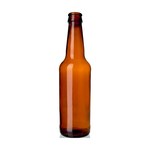
Bottle, closure, label, carton share.
Ingredients, which for most drinks are a small fraction, water, sugar and tea are cheap; real juice is not.
Labor, against finished bottles per hour rather than batch time.
And then the two this category adds: freight, and cold storage and delivery.
Freight and cold are the difference
A drink is mostly water and water is heavy. A case of glass bottles is twenty kilos.
And a refrigerated product needs cold storage and either refrigerated delivery or insulated shipping, both of which are real recurring costs rather than one-off purchases.
Cost them per bottle honestly. A producer who has not is usually selling at a loss on the accounts furthest away.
Three price points
Direct, at a market or from a cold cabinet you own: best margin, and your own labor selling it.
Wholesale, about half of retail.
Hospitality, which is its own price and its own service expectation, and where a distinctive product can command more than a shelf will.
Set wholesale first so it clears, then retail, then check against the cabinet the product will sit in.
Where the margin is
Not in a single bottle against a national brand.
In concentrates and syrups, which remove the freight.
In hospitality and local accounts, where delivery is short and the product is distinctive.
And in a format the big brands cannot match, genuinely live, genuinely local, genuinely unpasteurized, which is worth a real premium and costs you the cold chain to deliver.
What the bottle costs you, at one unit