Closures: crown, ROPP and screw
Updated
On this page6
The component that fails first in a pressurized product, and the one specified last.
The closure holds the pressure
Not the bottle. In almost every pressure failure short of a burst, the closure is where the product goes.
Which makes the closure a pressure component with a rating, not a lid, and makes the liner the part that actually does the work.
Crown
The beer standard: cheap, excellent under pressure, single-use, and tamper-evident by nature.
Needs a crimper set correctly, too loose leaks, too tight deforms the crown and the seal.
The liner does the sealing. Oxygen-scavenging liners exist and are worth it for a long shelf life.
Against it: the customer needs an opener and cannot reseal, which suits a single-serve and not a larger bottle.
ROPP
Roll-on pilfer-proof: an aluminum shell formed onto the bottle thread at capping, with a tamper band that separates on opening.
Resealable, tamper-evident, and it looks considered.
It needs a capping head set up properly, and it is unforgiving of a damaged bottle finish.
Screw and swing-top
A pre-threaded screw cap is the simplest and suits still or lightly carbonated products. Torque decides whether it works.
A swing-top looks appealing and is the one to be careful with: the ones sold for home use are frequently not rated for pressure, the gasket ages and is rarely replaced, and a customer who opens and recloses one has changed the seal.
For a live product in a swing-top, both the bottle and the gasket need to be specified for pressure, and the customer needs telling to keep it cold.
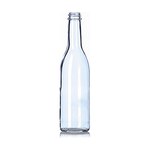
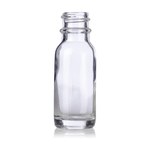
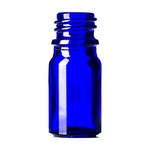
Finishes we stock, and what closes them