What size
Updated
On this page6
A category with strong conventions, and a size decision that reaches carbonation and freight more than anything else.
The sizes the category uses
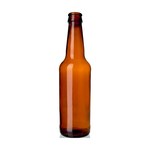
A single-serve around 250 to 350 ml, which is the impulse and chilled-cabinet size.
A larger single-serve around 450 to 500 ml.
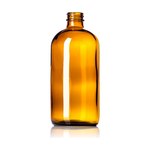
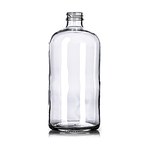
A multi-serve around 750 ml to a liter, for juice and for anything taken home.
And a growler or larger format, which is a different proposition and a harder one to keep carbonated.
Net quantity is a volume
Declared by volume, with metric alongside, on the principal display panel.
You will fill by weight or by level, so establish the relationship once and hold it, and re-establish it if the density changes with a reformulation.
What size decides
Freight, which for a liquid dominates. Water is a kilogram a liter and glass adds as much again.
Carbonation retention, because a larger bottle is opened and resealed, and a resealed carbonated bottle goes flat.
The chilled cabinet, which has a shelf height and a facing width the retailer has already decided.
Serving size on the nutrition panel, which for beverages has defined rules and where the container size interacts with how many servings it declares.
Standardizing
One or two sizes. Each is its own bottle, closure, label, carton, case count and filling setup.
Share the finish across sizes where you can, so one closure fits everything.
And check the label area early: a beverage label carries an identity, a net quantity, an ingredient list, allergens, a nutrition panel, your name and address, and for untreated juice a warning statement. That is more content than a small bottle comfortably holds.
The sizes we stock