Glass, PET or can
Updated
On this page6
The container decision, and in this property it reaches pressure, light, oxygen and freight at once.
Three materials, three propositions
Each is better at something the others are worse at, and none is a default.
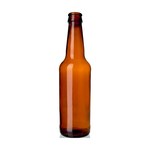
Glass
Inert, impermeable, premium, and it holds carbonation indefinitely.
It also takes any fill temperature, which makes hot filling straightforward.
Against it: heavy, which is the largest freight cost in this estate; breakable; and under pressure it fails dangerously rather than gradually.
Amber or green glass protects against light, which matters for anthocyanin color and for hop or tea compounds, at the cost of hiding the product.
Use a bottle specified for internal pressure for anything carbonated or live, and do not infer it from the glass looking heavy.
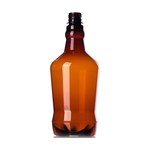
PET
Light, cheap to ship, unbreakable, and it deforms before it bursts, which is a genuine safety advantage in a live product: a swollen bottle is a warning.
Against it: it is permeable. Carbon dioxide leaves and oxygen enters, slowly, which shortens the carbonated shelf life and accelerates oxidation.
Ordinary PET also will not take a hot fill; that needs a heat-set grade.
Barrier and multilayer grades address permeability at a cost, and are worth pricing for a long shelf life.
Cans
Excellent on every technical measure: no light at all, essentially no oxygen ingress, good pressure handling, light and stackable.
Against them: seaming is a real process with real equipment, minimum orders on printed cans are large, and a mobile canning service is the usual route for a small producer.
A can is also opaque, which suits a product whose appearance is not the selling point and not one whose color is.
And it is the format the category has moved towards, which matters commercially independent of the technical case.
The materials we stock, and what each is for a drink